-
ISO standards relating to the governance, management and quality of AI (I)
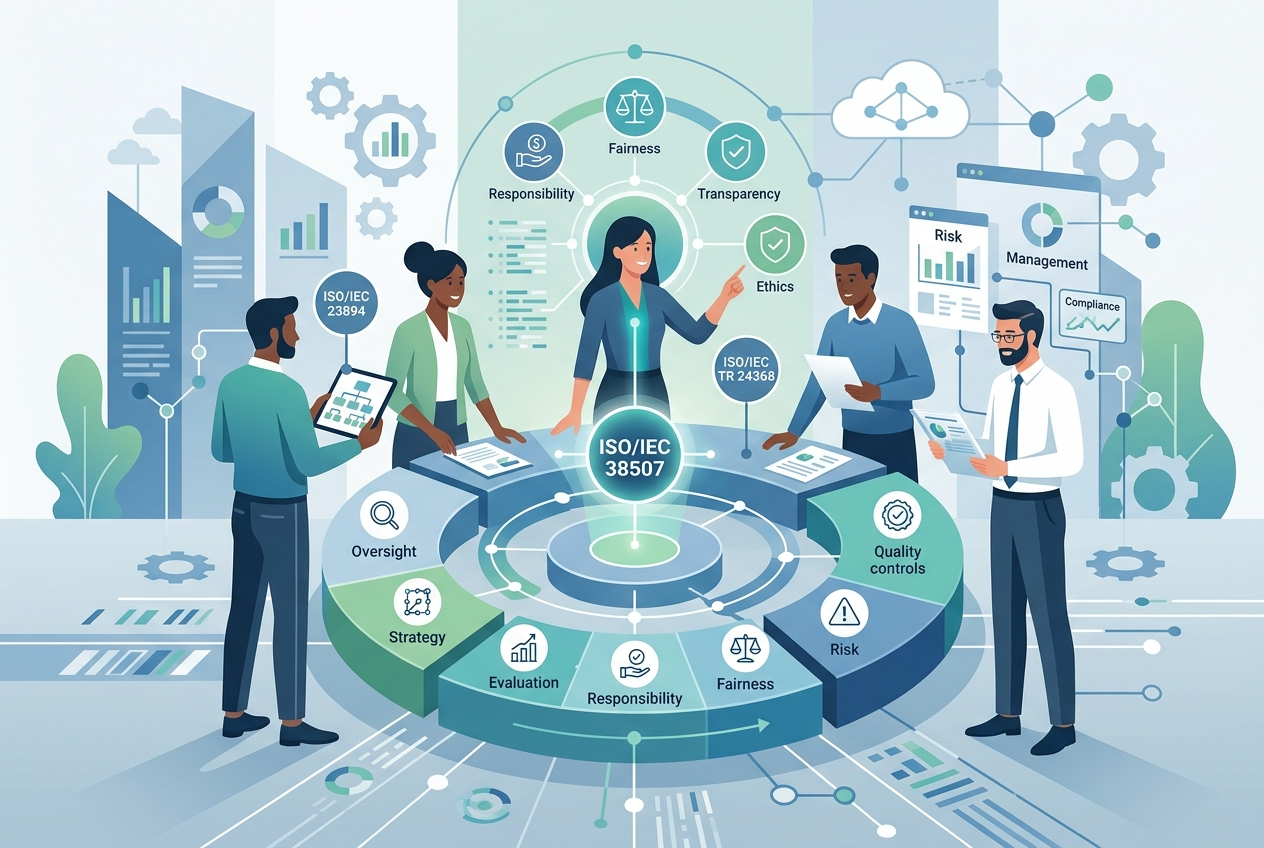
La Inteligencia Artificial (IA) influye cada vez más en la vida cotidiana de las personas y desempeña un papel clave en la transformación digital de las empresas y Administraciones Públicas gracias a su capacidad para automatizar y facilitar la toma de decisiones. Por lo tanto, se requieren unas prácticas para gobernar, gestionar y asegurar la…
-
ISO/IEC 42001 and EN 18286: why are there two such similar standards?
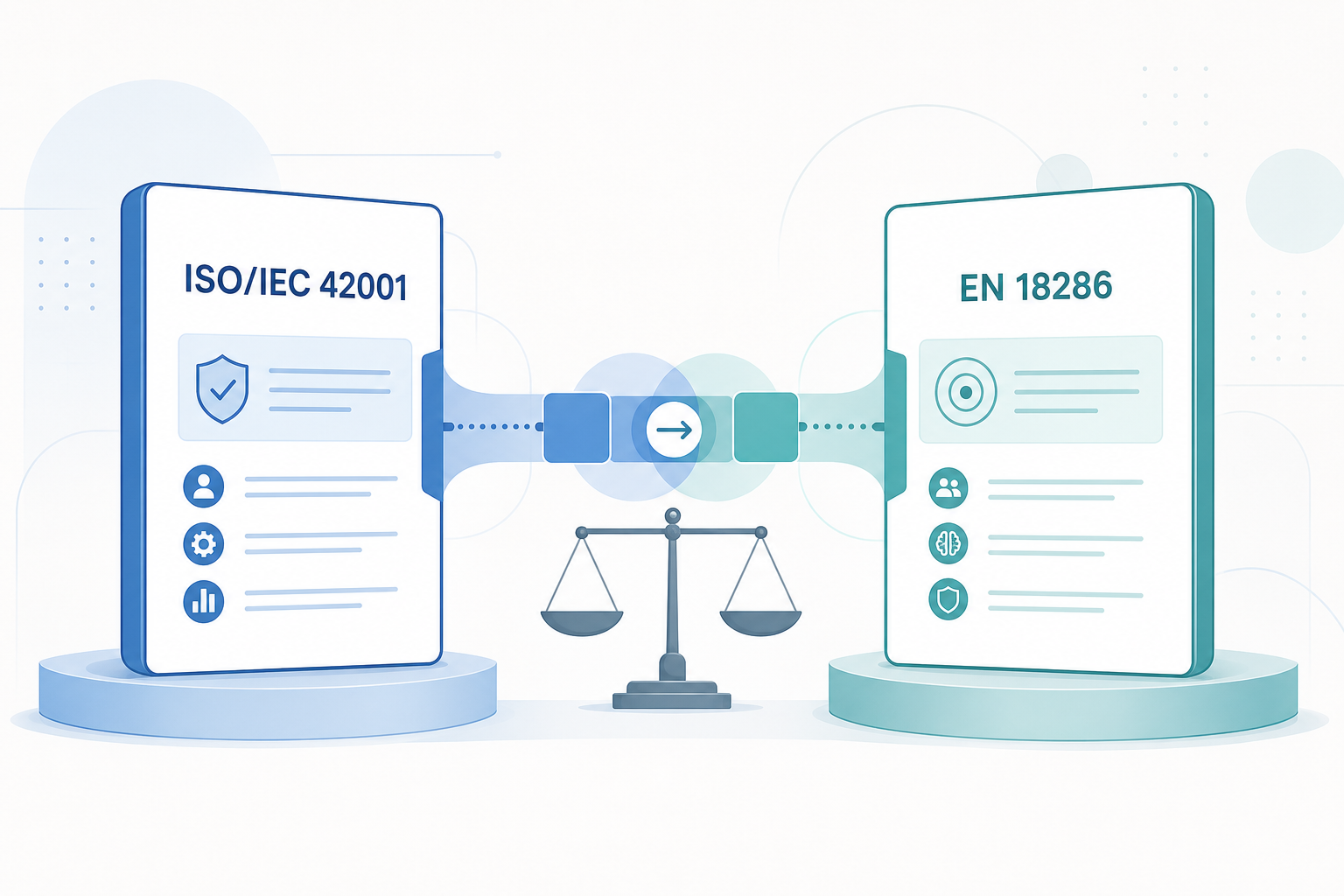
El panorama europeo de normalización de la inteligencia artificial se encuentra en un momento especialmente relevante. Tras la publicación de ISO/IEC 42001 como primer estándar internacional para los sistemas de gestión de la inteligencia artificial, recientemente CEN/CENELEC ha publicado EN 18286 como norma europea orientada a los sistemas de gestión de la calidad para fines…
-
CEN/CENELEC Standards for the Governance, Management and Quality of AI Systems
The European organisations CEN (European Committee for Standardisation) and CENELEC (European Committee for Electrotechnical Standardisation), as well as ETSI (European Telecommunications Standards Institute), are developing harmonised standards that support the AI Act, and which include best practices that may be of interest to organisations wishing to govern, manage and ensure the quality of their Artificial Intelligence systems.
-
The robustness and generalisability of machine learning models
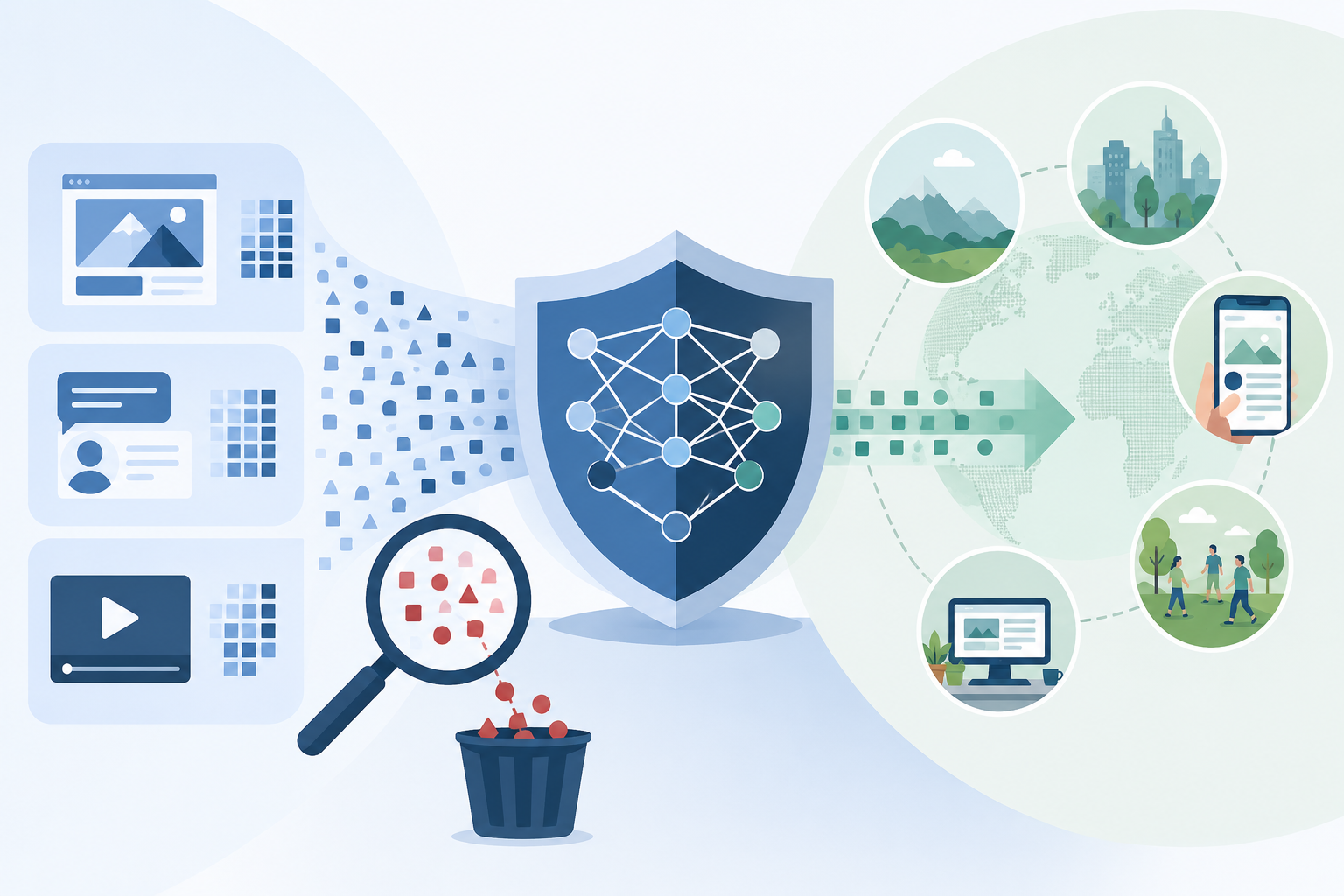
Como investigadores en IA, a menudo nos dejamos seducir por métricas de validación interna casi perfectas. De hecho, los modelos actuales de aprendizaje profundo (incluyendo los grandes modelos del lenguaje) destacan por la enorme precisión que pueden alcanzar en tareas concretas. Sin embargo, que acierten mucho no significa necesariamente que los patrones que han aprendido…
-
ISO/IEC certifications for AI software quality
Como ya señalamos, una IA funcional y de calidad es la base esencial para una IA ética y legal. En este post resumimos los dos principales estándares para crear, evaluar y certificar tanto los procesos software para desarrollar sistemas de IA (ISO/IEC 5338) como para el propio producto software de IA (ISO/IEC 25029). Ingeniería de…
-
AI Governance and Management: The Strategic Business Focus

Nueva Agenda Empresarial basada en ISO 38507 e ISO 42001 La Inteligencia Artificial (IA) ha dejado de ser una tendencia tecnológica para convertirse en un eje estratégico en la toma de decisiones empresariales. Sin embargo, su adopción acelerada ha abierto nuevas preguntas sobre gobernanza, ética, control y responsabilidad corporativa. En este contexto, los estándares internacionales…
-
New ISO/IEC 5259 certification for AI data quality
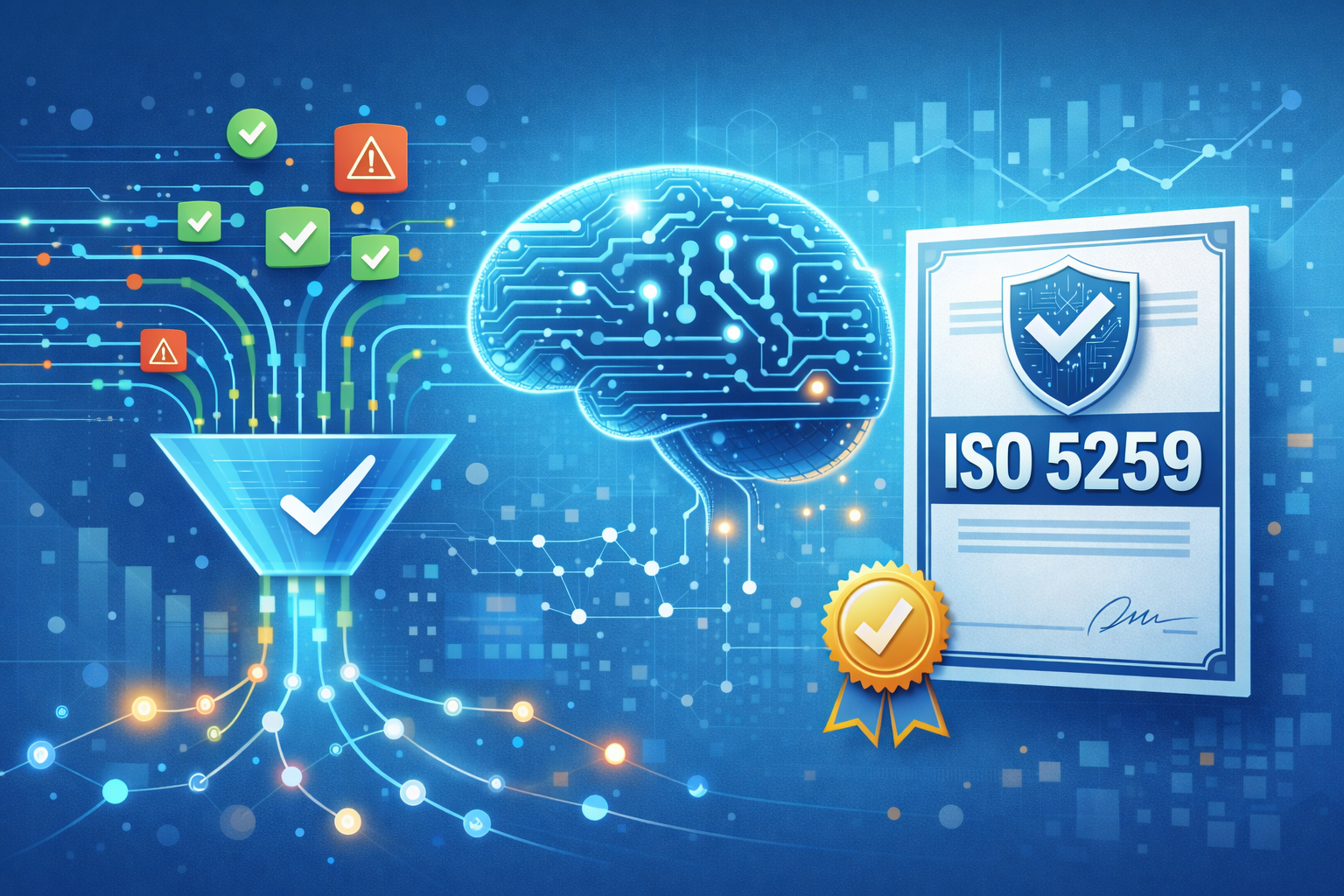
Importancia de la calidad de los datos en la IA La calidad de datos de la IA se puede entender como el conjunto de propiedades (técnicas y de negocio) que hacen que los datos sean aptos para entrenar, validar y operar modelos de IA de forma fiable, robusta, justa y auditable. En IA, los datos…
-
AI Governance vs. AI Management: the truth that nobody tells you
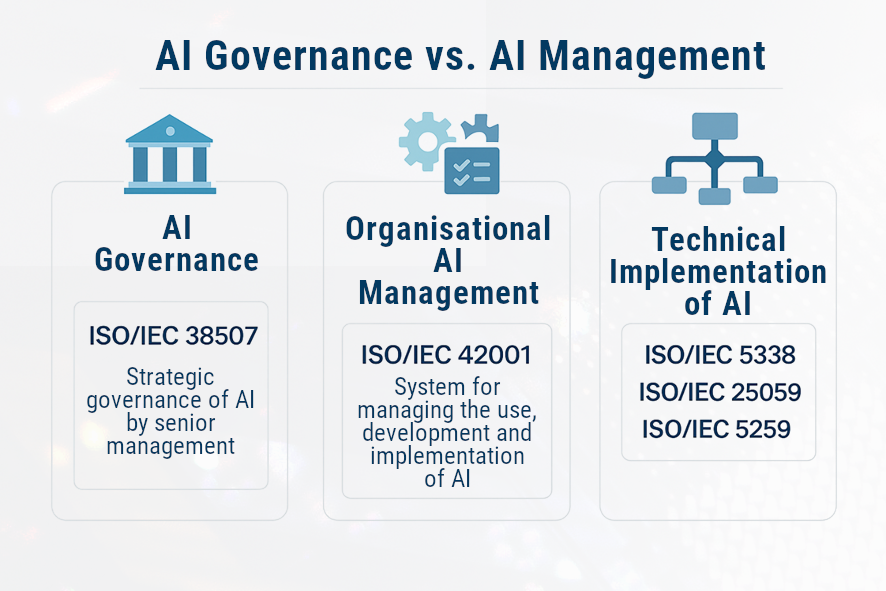
En los últimos meses, con la llegada de ISO/IEC 42001, han proliferado cientos de artículos, posts y opiniones sobre “gobierno de IA”, “sistemas de gestión de IA” y “cómo implantar IA responsable”. Problema: analizando muchos de ellos, la mayoría confunde gobierno con gestión, o incluso usan ambos términos como sinónimos y… no lo son. Eso…
-
ISO 42001 and prEN 18286: management and regulation for responsible AI
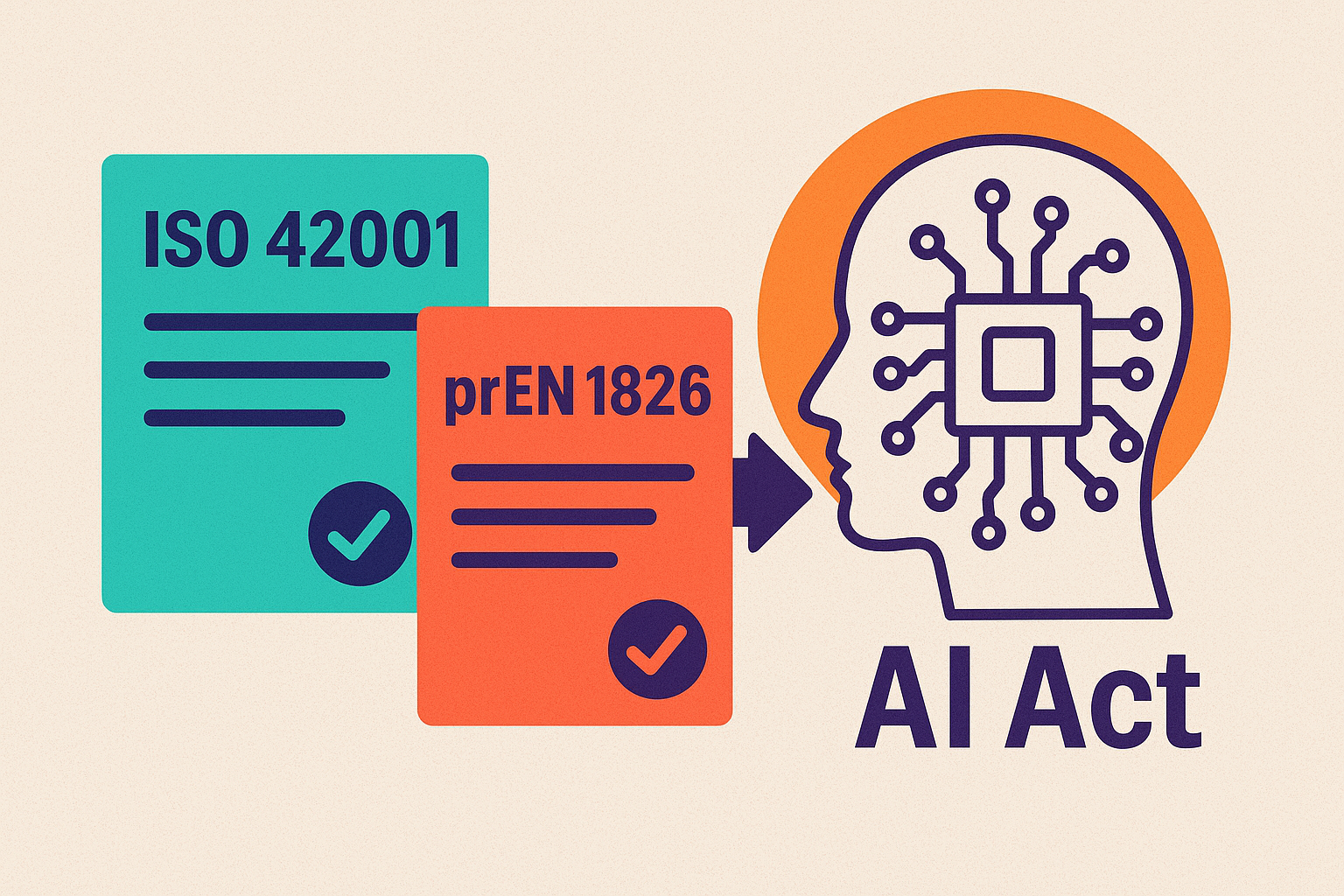
The rapid evolution of Artificial Intelligence has driven the creation of new standards to help organisations manage it securely, reliably and in compliance with European regulations. In this context, different standards are emerging which, although related, perform complementary functions in the AI governance and compliance ecosystem. On the one hand...
-
Functional, high-quality AI as the basis for an ethical and legal AI
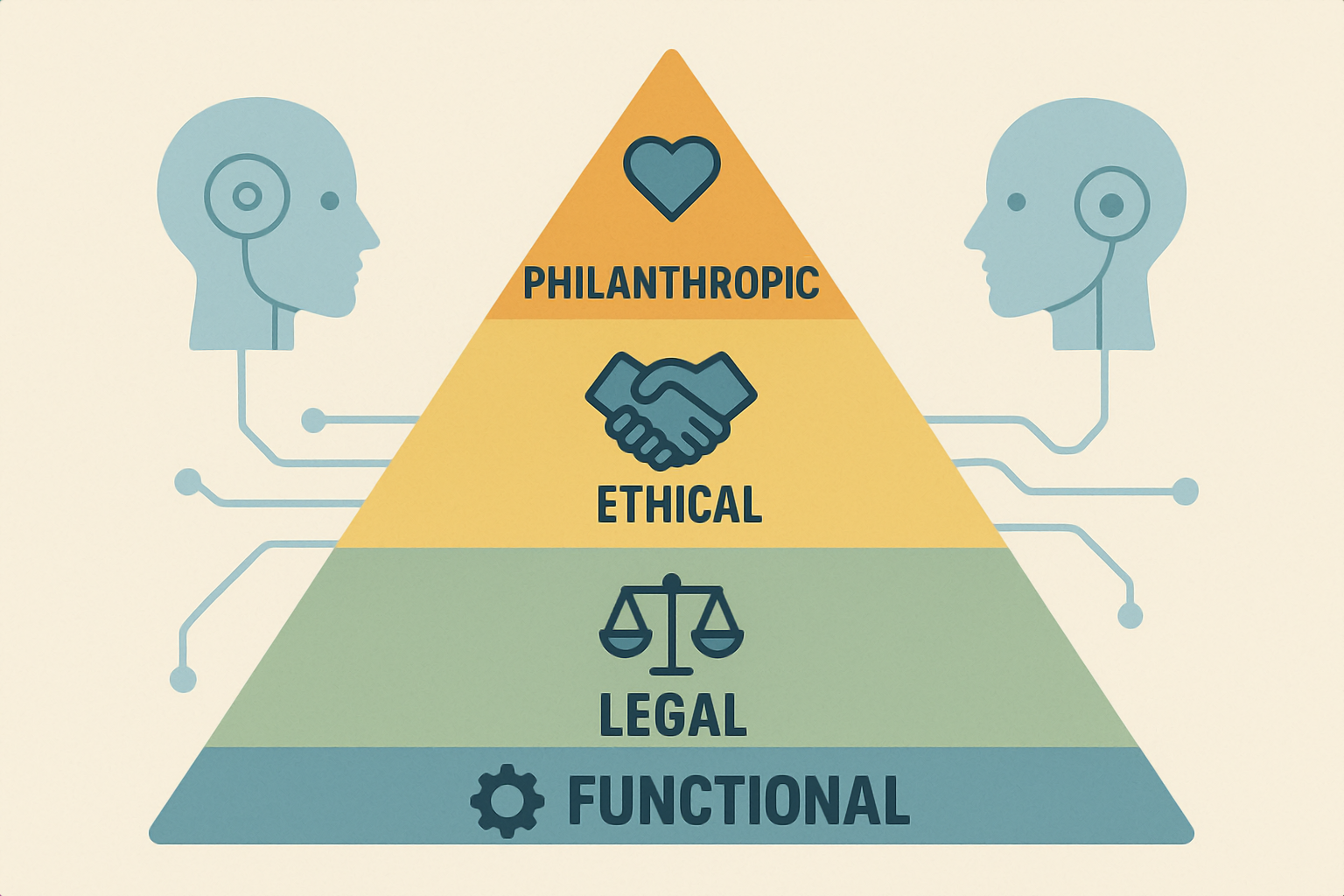
Although all new information technology presents risks, AI is perhaps one of the technologies that increases the magnitude of risks the most, both negative (due to its potential impact at the organisational and social level) and positive (due to the great opportunities it offers, for example, for decision support). With regard to traditional IT risks...