-

AI Governance and Management: The Strategic Business Focus
New Business Agenda based on ISO 38507 and ISO 42001 Artificial Intelligence (AI) has gone from being a technological trend to becoming a strategic pillar in business decision-making. However, its rapid adoption has raised new questions about governance, ethics, control and corporate responsibility. In this context, the international standards ISO 38507 and ISO 42001 are emerging as key frameworks for managing AI in a safe and structured manner with their focus on AI governance and management.
-
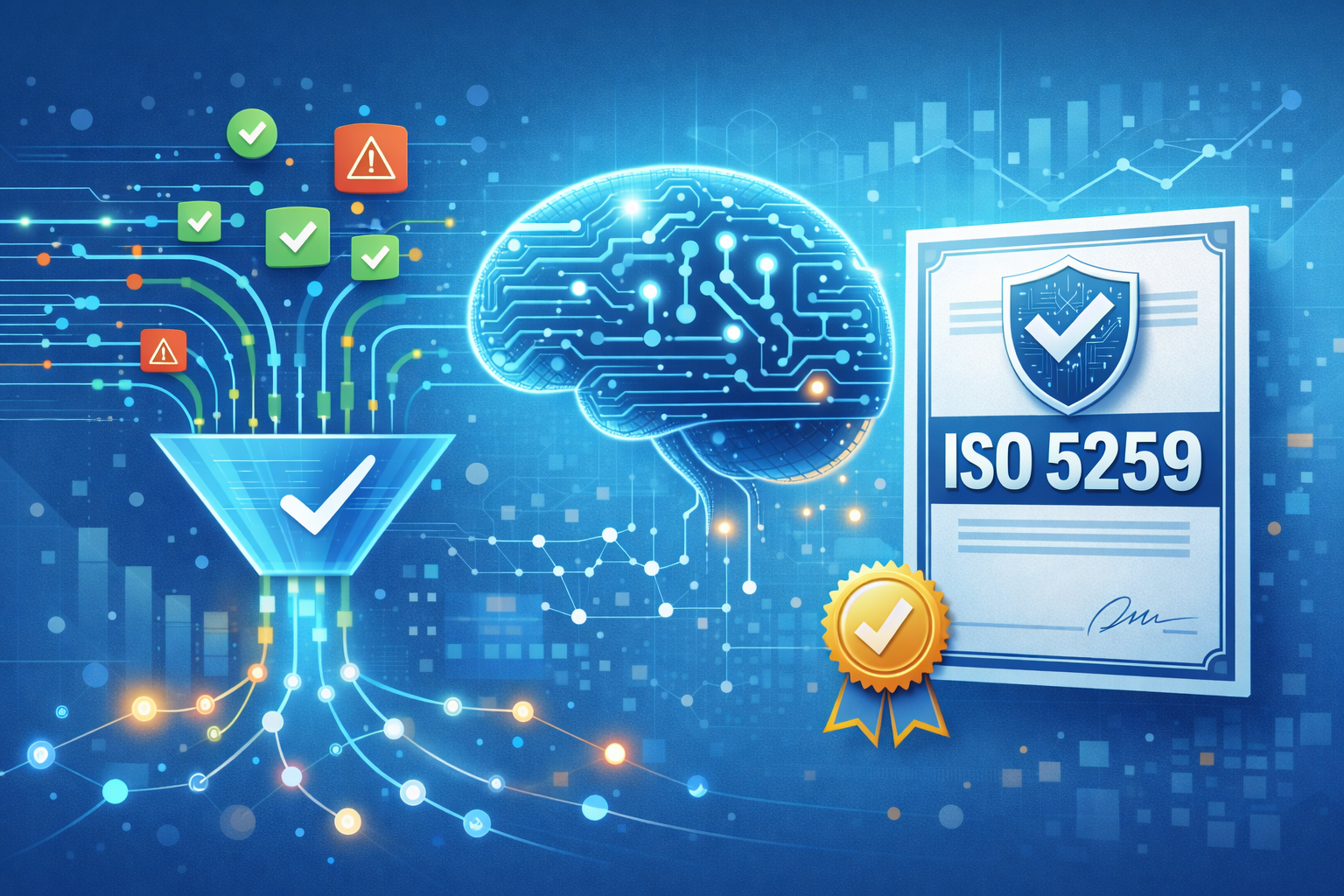
New ISO/IEC 5259 certification for AI data quality
The importance of data quality in AI AI data quality can be understood as the set of properties (form both technical and business viewpoints) that make data suitable for training, validating, and operating AI models in a reliable, robust, fair, and auditable manner. In AI, poor-quality data
-
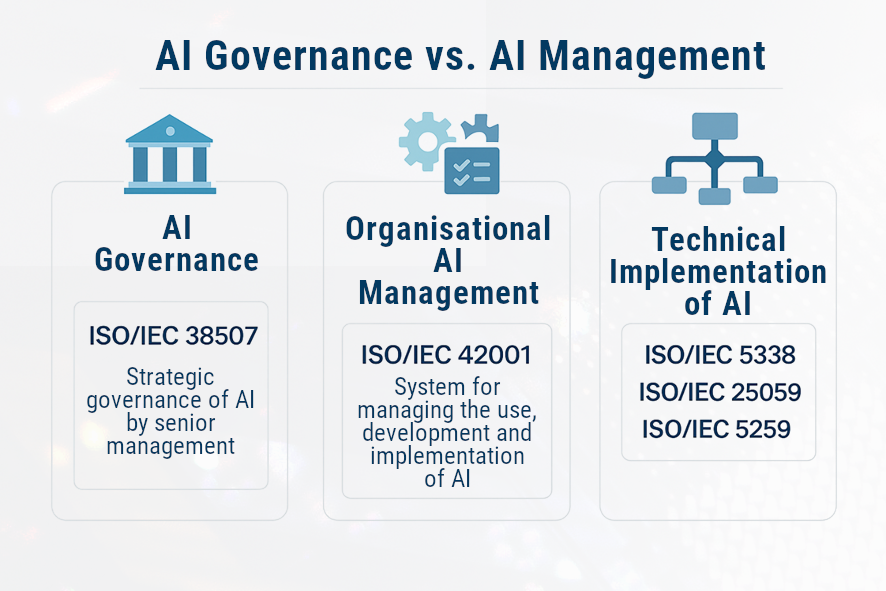
AI Governance vs. AI Management: the truth that nobody tells you
In recent months, with the arrival of ISO/IEC 42001, hundreds of articles, posts and opinions have proliferated on "AI governance", "AI management systems" and "how to implement responsible AI". Problem: analysing many of them, most confuse governance with management, or even use both terms as synonyms, which they are not. This confuses the reader and creates noise in the industry.
-
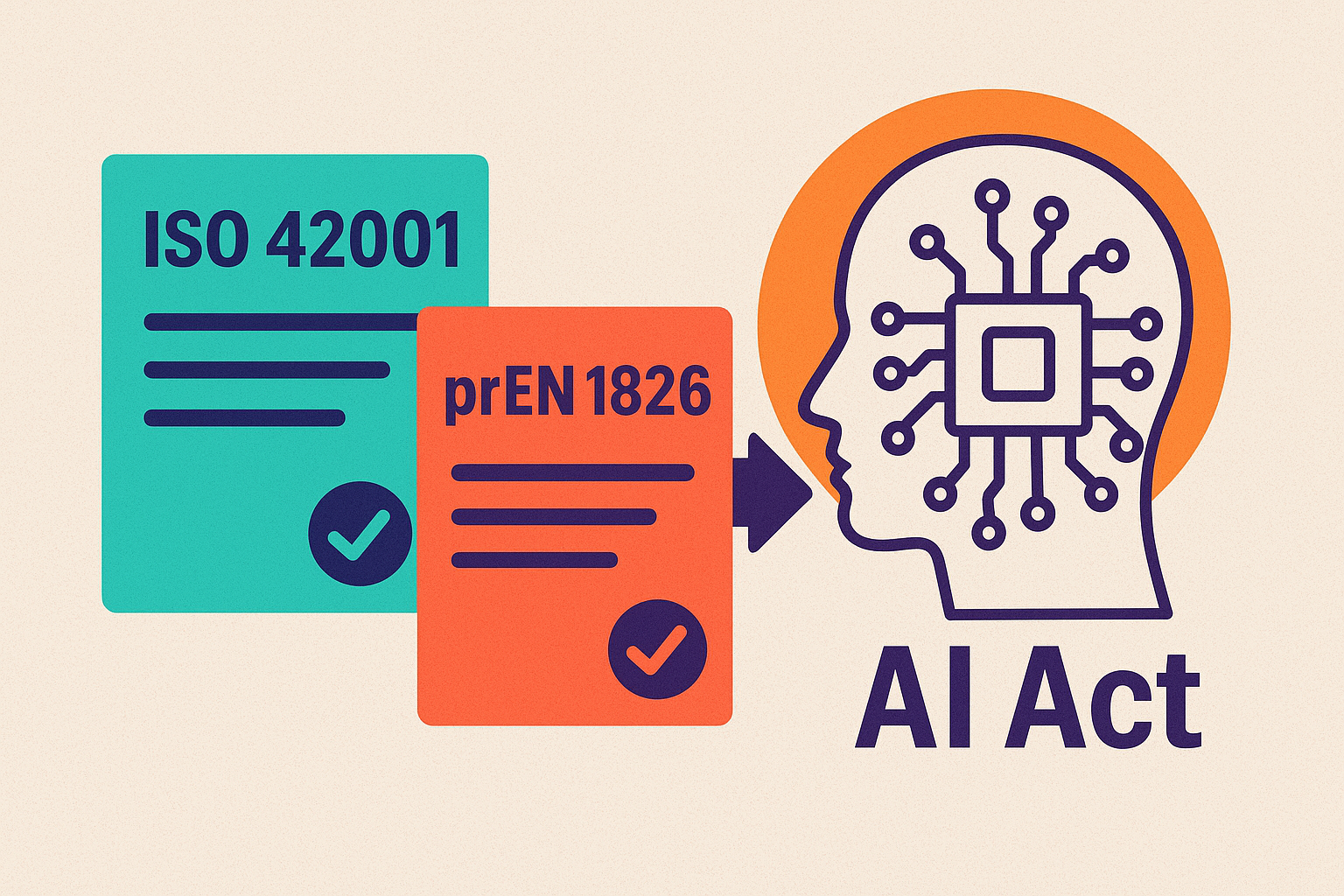
ISO 42001 and prEN 18286: management and regulation for responsible AI
The rapid evolution of Artificial Intelligence has driven the creation of new standards to help organisations manage it securely, reliably and in compliance with European regulations. In this context, different standards are emerging which, although related, perform complementary functions in the AI governance and compliance ecosystem. On the one hand, we have ISO/IEC 42001:2023
-
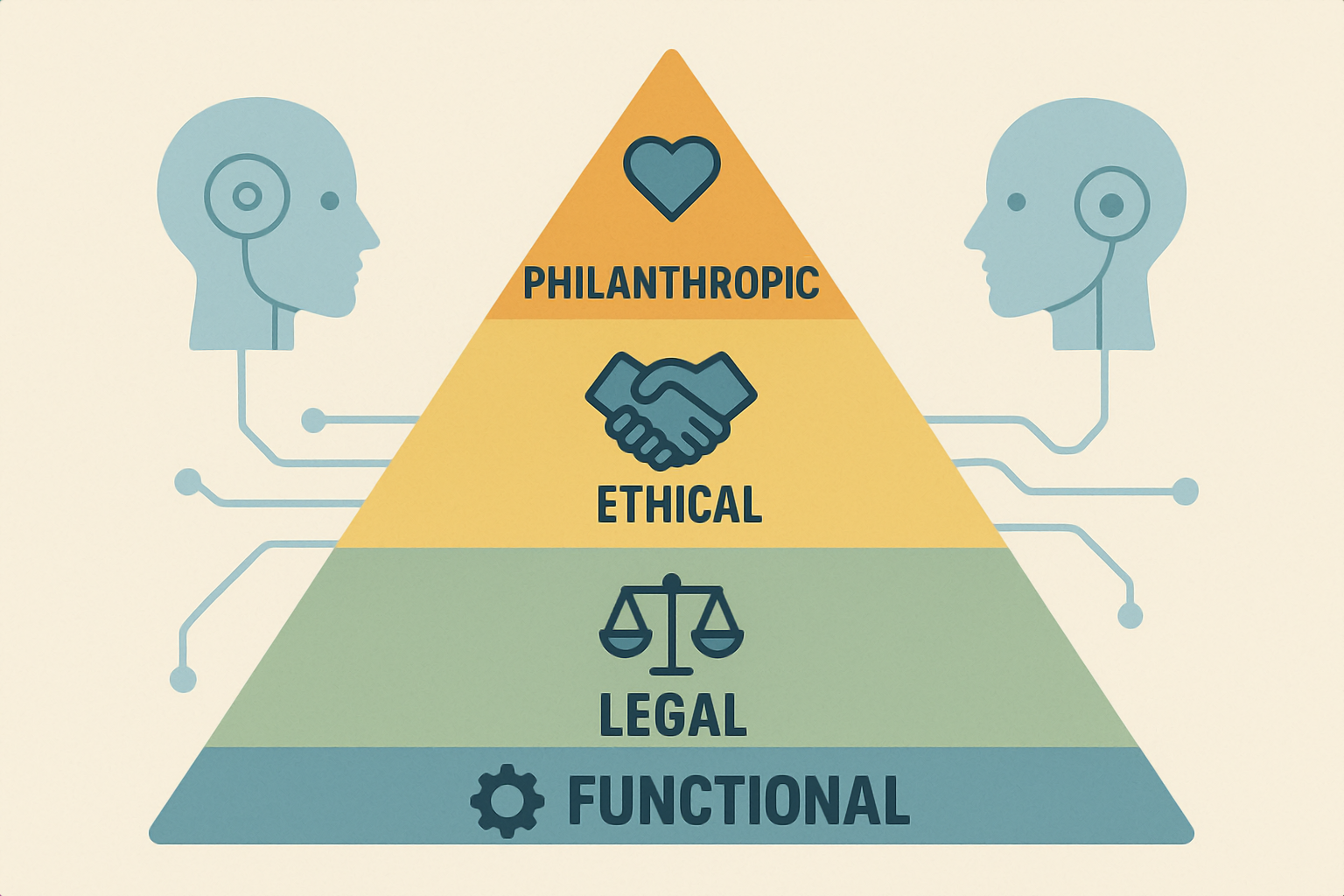
Functional, high-quality AI as the basis for an ethical and legal AI
Although all new information technology presents risks, AI is perhaps one of the technologies that increases the magnitude of risks the most, both negative (due to its potential impact at the organisational and social level) and positive (due to the great opportunities it offers, for example, for decision support). With regard to traditional IT risks, it should be noted that these evolve more rapidly in AI
-
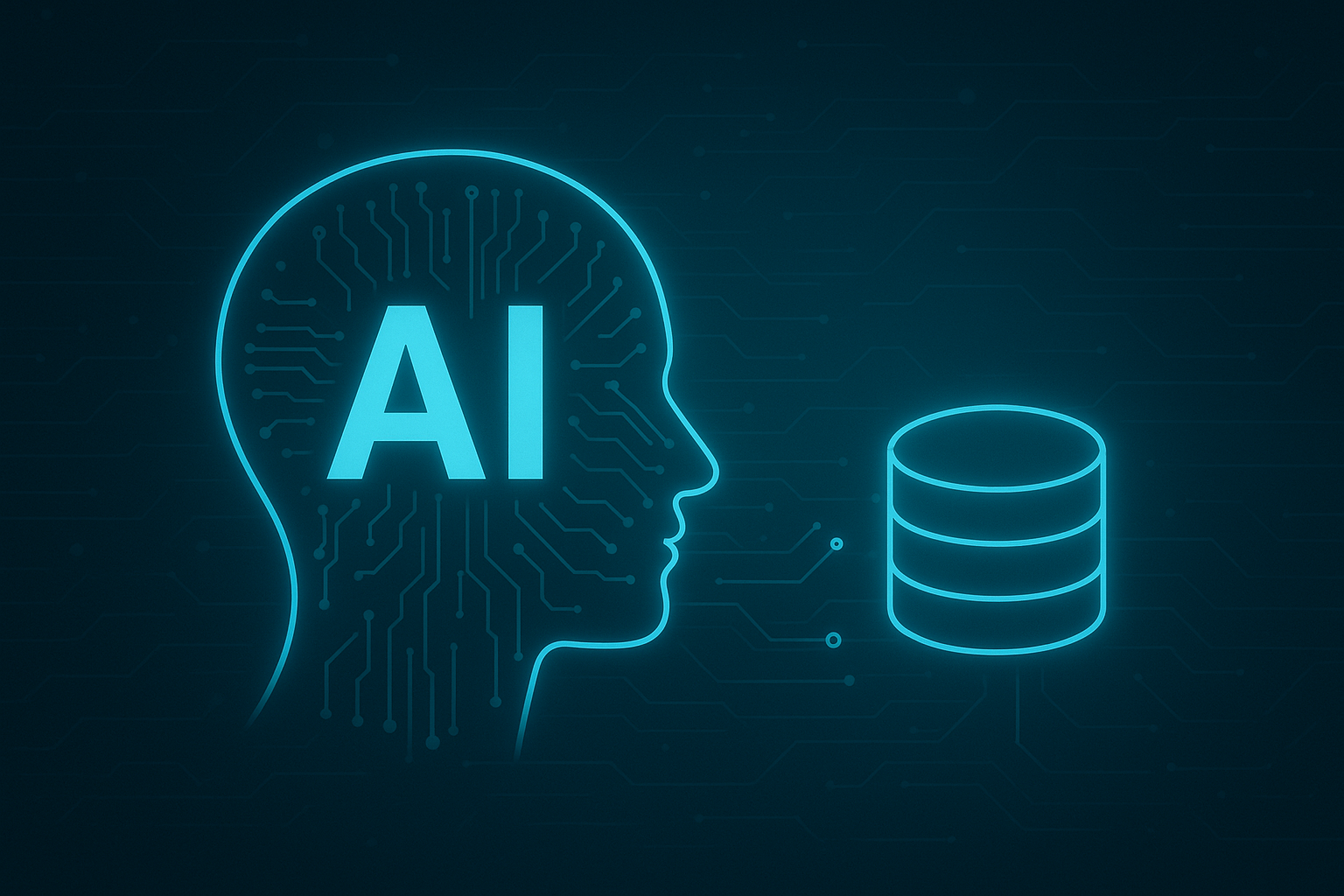
AI Governance as an extension of Data Governance based on UNE 0077
Artificial Intelligence (AI) increasingly influences people's daily lives and plays a key role in the digital transformation of businesses and public administrations thanks to its ability to automate and facilitate decision-making. The benefits of intelligent systems are extraordinary, but the risks they entail may be even greater, making good AI governance more necessary than ever.
-
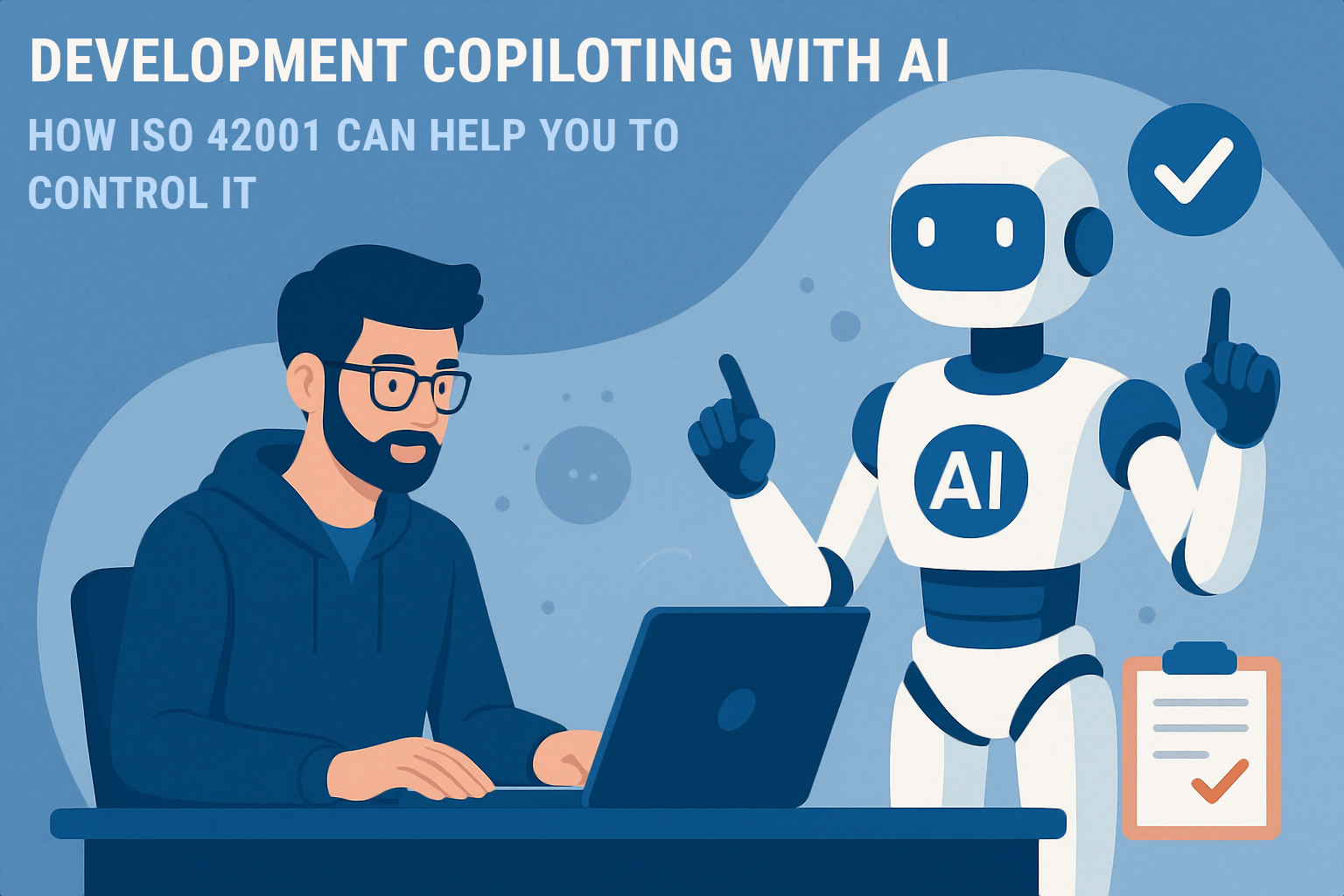
If you are developing with AI co-piloting, this is of interest to you
If your company is using tools such as GitHub Copilot or ChatGPT to support software development, it is time to go beyond efficiency and ask how risks, automated decisions, and the quality of the generated code are being managed. ISO/IEC 42001 not only helps you comply with future legal requirements, but also establishes good organisational practices for integrating AI
-
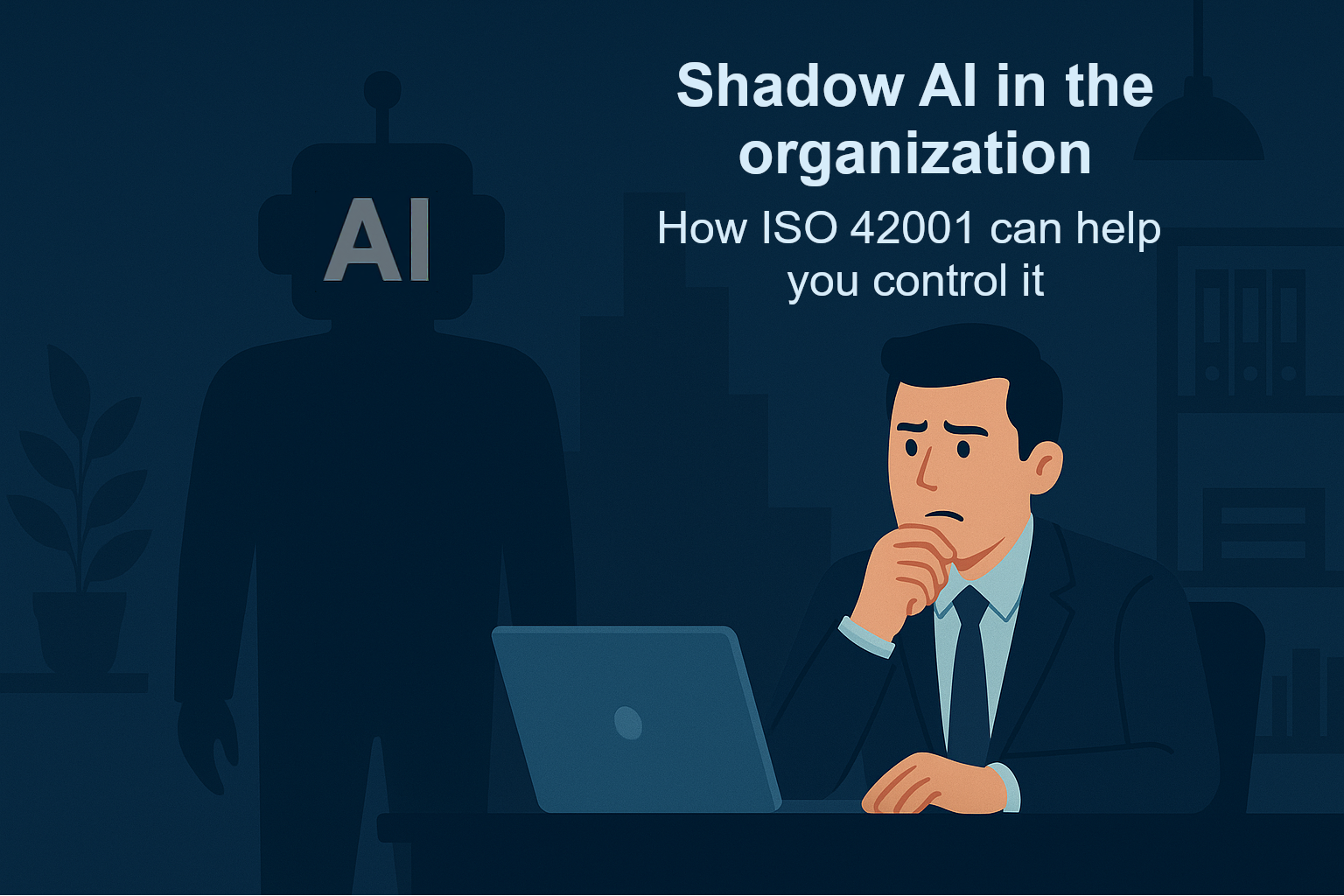
ISO 42001 vs Shadow AI
In this decade, AI will be to businesses what Excel was: indispensable. But, like Excel, you have to know how to use it. Currently, the use of Artificial Intelligence (AI) in companies has grown exponentially. Predictive models, machine learning algorithms, generative AI, virtual assistants, and autonomous agents are transforming processes, products, and services. However, this growth has also given rise to a worrying phenomenon: Shadow AI.
-
What your company needs to know about the AI Act and ISO 42001
Artificial intelligence is no longer just a technological trend; it is now also regulated by law. With the approval of the European Artificial Intelligence Act (AI Act) and the publication of the international standard ISO/IEC 42001, all European companies—including SMEs—must begin to organise themselves to use AI responsibly and transparently.
-
What is ISO 42001 and why should your SME care?
Artificial Intelligence (AI) is now a technology that is applied in our daily lives and is no longer exclusive to large technology companies. This can be seen in the fact that more and more SMEs are incorporating recommendation algorithms, intelligent automation, and even generative assistants to optimise their processes. However, these opportunities also bring new risks: bias, lack of transparency, automated decisions that impact people...