-
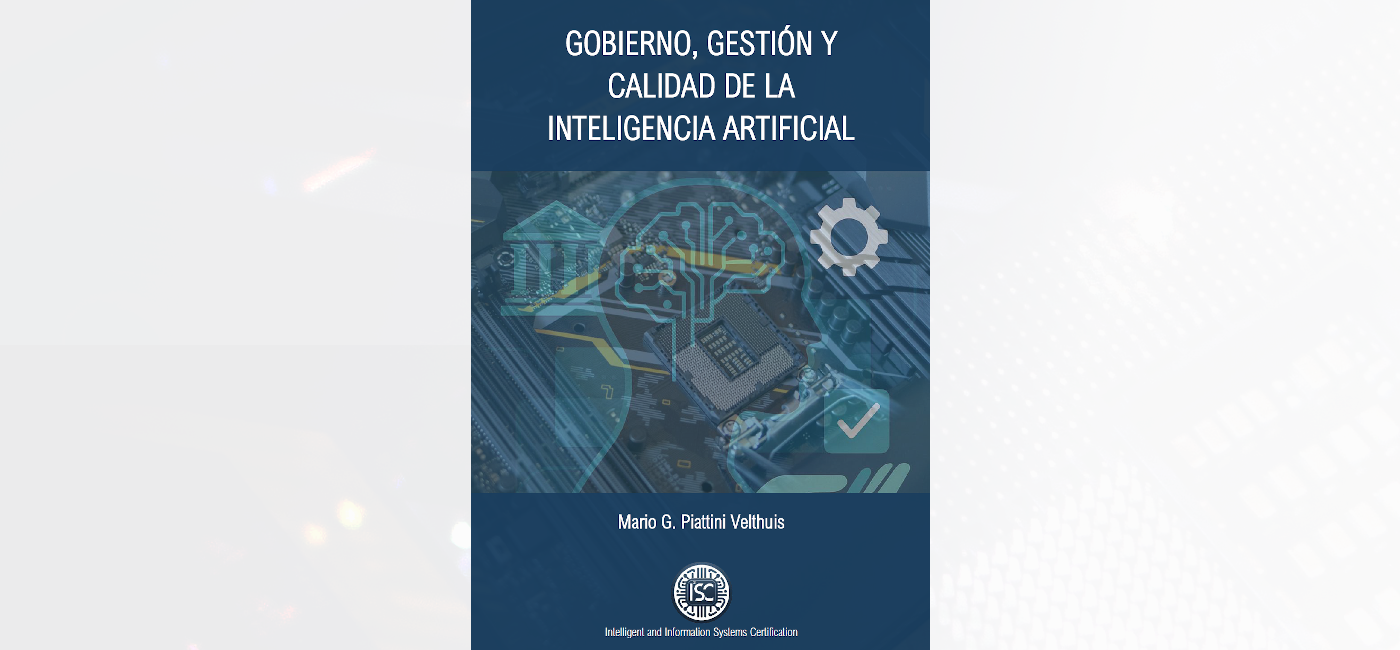
Get the book Government, Management and Quality of Intelligence for free
You can now get the book Gobierno, Gestión y Calidad de la Inteligencia Artificial in digital format (PDF) completely free of charge here. In recent years, there has been a strong emphasis on the need for "trustworthy" and "responsible" AI that respects legal and ethical issues and allows for the construction and exploitation of robust intelligent systems...
-
AI Governance as an extension of Data Governance based on UNE 0077
Artificial Intelligence (AI) increasingly influences people's daily lives and plays a key role in the digital transformation of businesses and public administrations thanks to its ability to automate and facilitate decision-making. The benefits of intelligent systems are extraordinary, but the risks they entail may be even greater...
-
I2SC joins the AIQI Consortium to promote governance and quality in artificial intelligence
I2SC has announced its incorporation into the AIQI Consortium, a global initiative launched to address the ethical and digital trust challenges posed by the rapid development and deployment of artificial intelligence. This prestigious association promotes international cooperation to create a unified approach to AI governance, thereby ensuring...
-
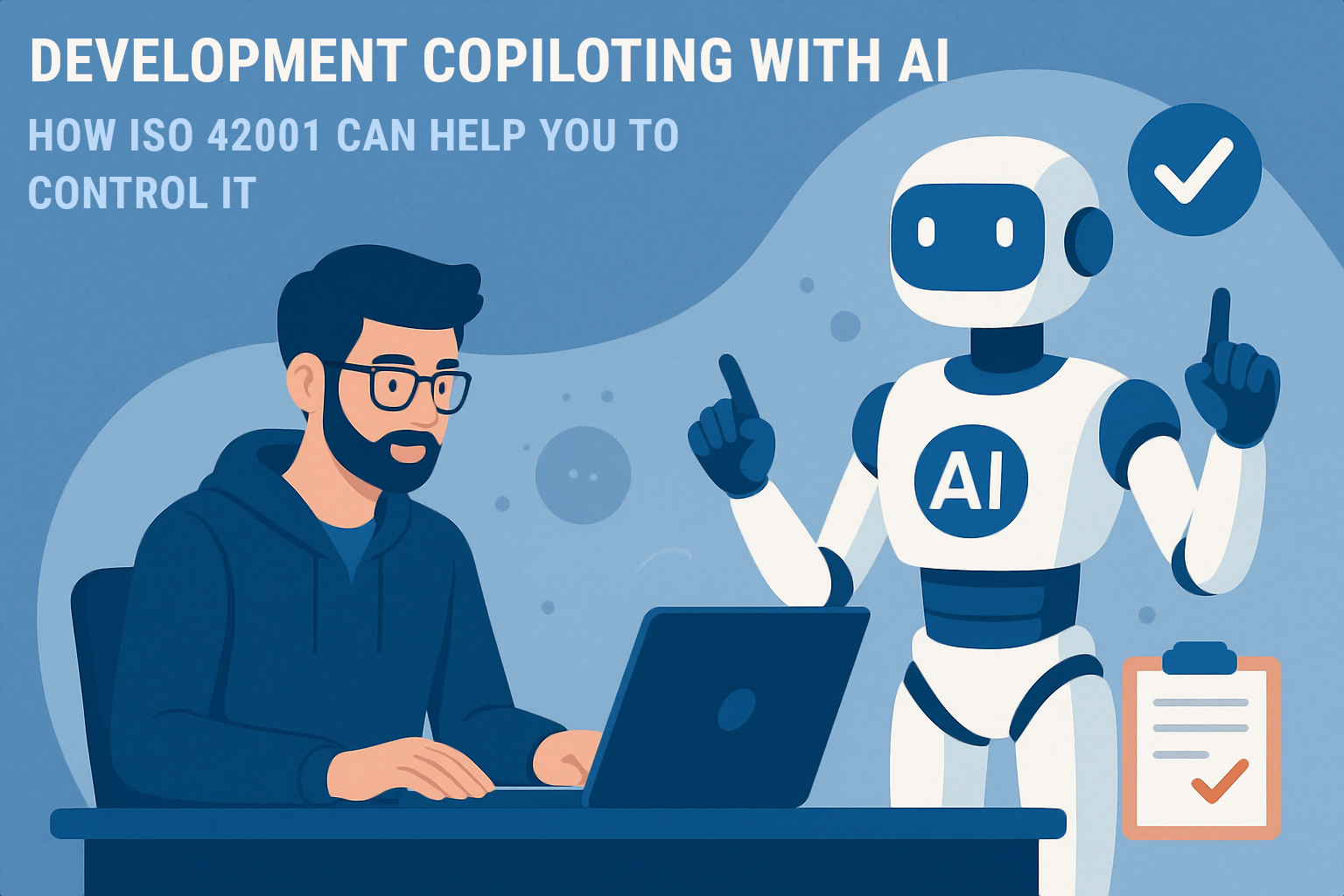
If you are developing with AI co-piloting, this is of interest to you
If your company is using tools such as GitHub Copilot or ChatGPT to support software development, it is time to go beyond efficiency and ask how risks, automated decisions, and the quality of the generated code are being managed. ISO/IEC 42001 not only helps you comply with future legal requirements,...
-
An Artificial Intelligence Maturity Assessment Framework Based on International Standards
Autores: Rubén Márquez, Moisés Rodríguez, Javier Verdugo, Francisco P. Romero, Mario Piattini. Publicado en Engineering Applications of Artificial Intelligence, vol. 159 (noviembre 2025) En este artículo se presenta MMSIA, el Modelo de Madurez del Software de Inteligencia Artificial definido por I2SC, el cual se basa en los estándares internacionales ISO/IEC 5338 y la familia ISO/IEC…
-
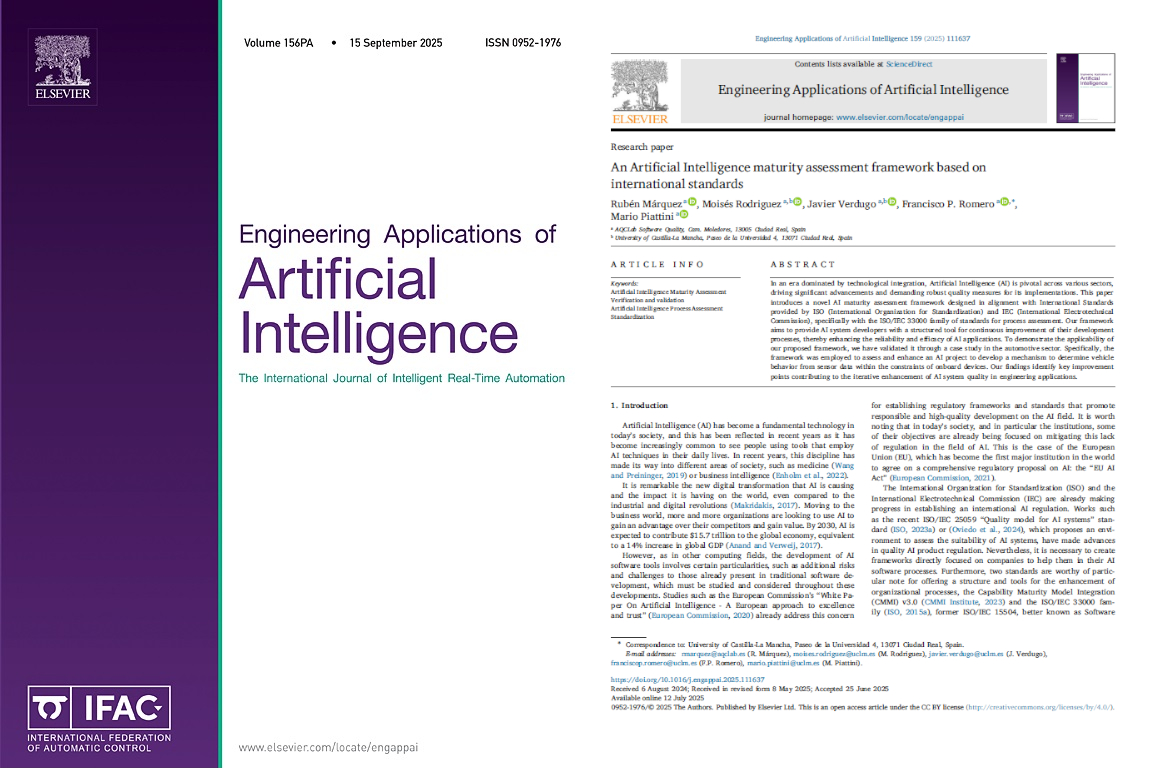
I2SC publishes a new article in the EAAI journal
The article An Artificial Intelligence Maturity Assessment Framework Based on International Standards, written by Rubén Márquez, Moisés Rodríguez, Javier Verdugo, Francisco P. Romero, and Mario Piattini, has been published in the journal Engineering Applications of Artificial Intelligence, vol. 159 (November 2025). This article presents MMSIA, the Artificial Intelligence Software Maturity Model...
-
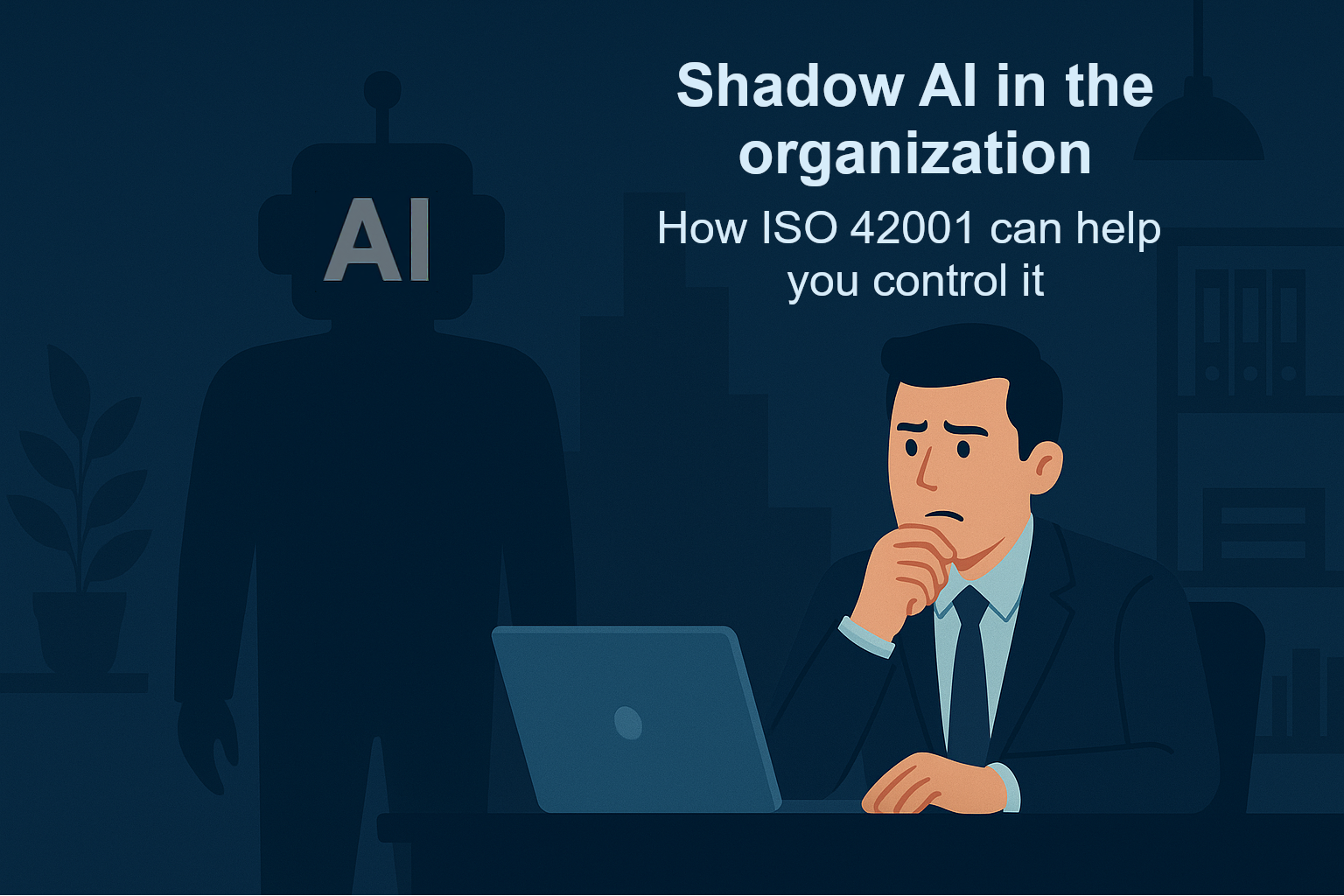
ISO 42001 vs Shadow AI
In this decade, AI will be to businesses what Excel was: indispensable. But, like Excel, you have to know how to use it. Currently, the use of Artificial Intelligence (AI) in businesses has grown exponentially. Predictive models, machine learning algorithms, generative AI, virtual assistants, and autonomous agents are transforming processes...
-
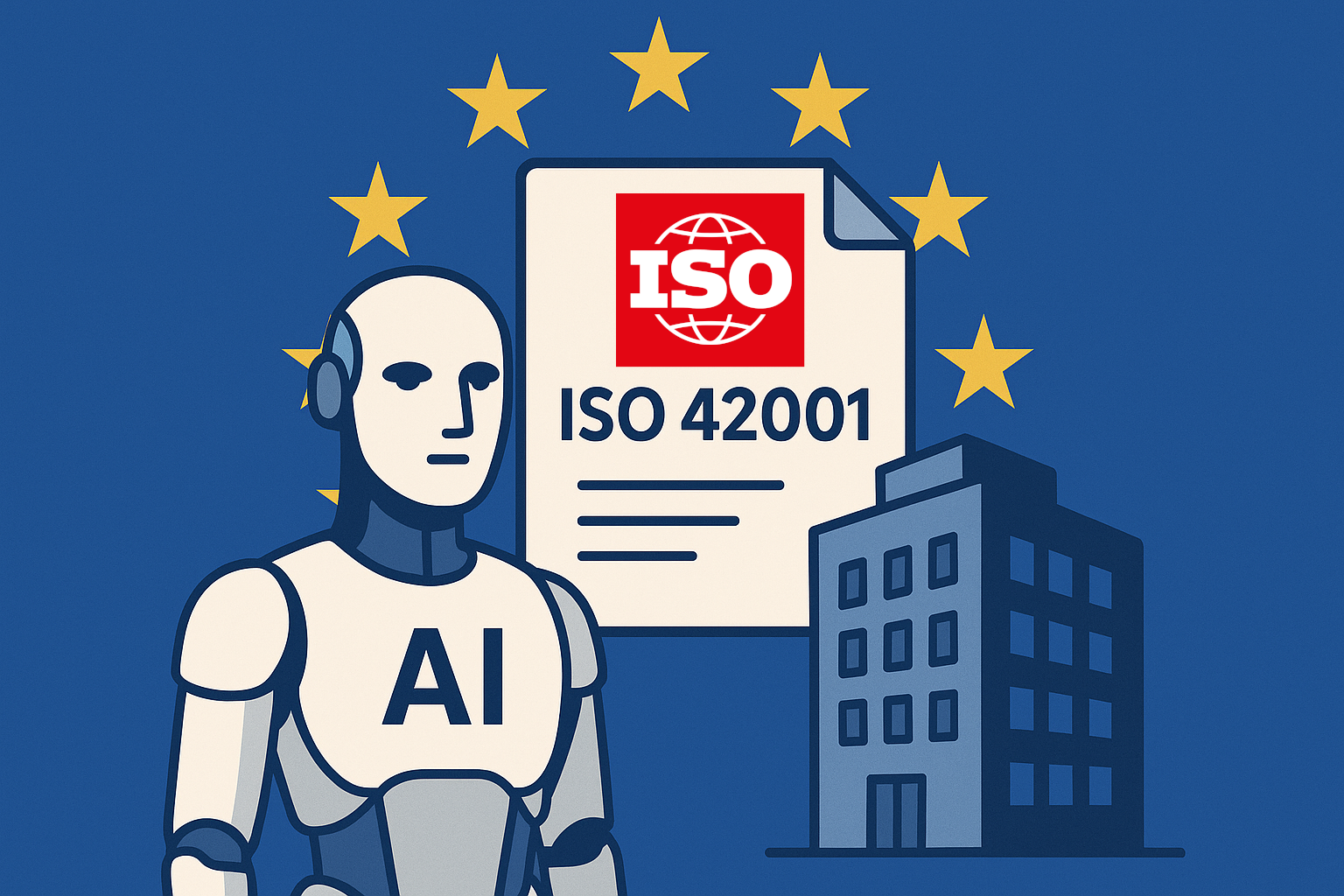
What your company needs to know about the AI Act and ISO 42001
Artificial intelligence is no longer just a technological trend; it is now also regulated by law. With the approval of the European Artificial Intelligence Regulation (AI Act) and the publication of the international standard ISO/IEC 42001, all European companies—including SMEs—must begin to organise themselves to use AI responsibly and...
-
I2SC will collaborate with AQCLab to evaluate AI quality
I2SC has established a collaboration agreement with AQCLab, the first and only laboratory internationally accredited by ENAC/ILAC for the evaluation of software quality and data quality under the ISO/IEC 25000 family of standards. This collaboration is key to the development of I2SC projects under the standards framework...